
Shop Water Treatment Products
Dover, DE Water Softeners & Water Filters
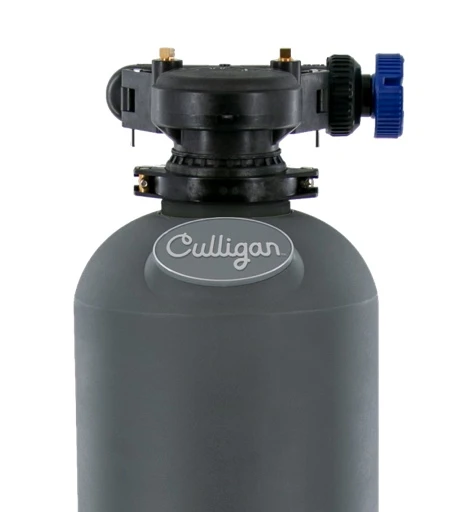
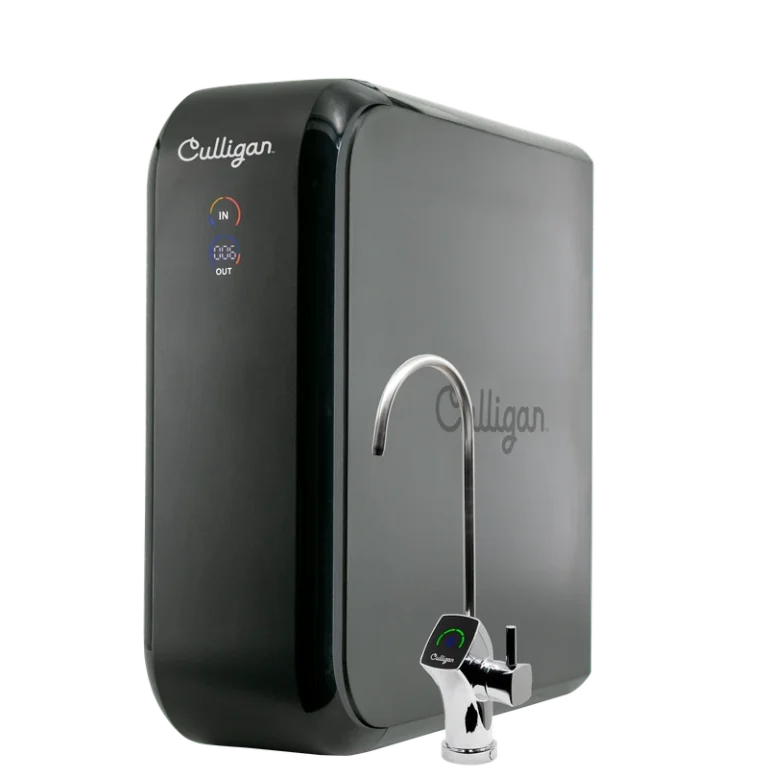
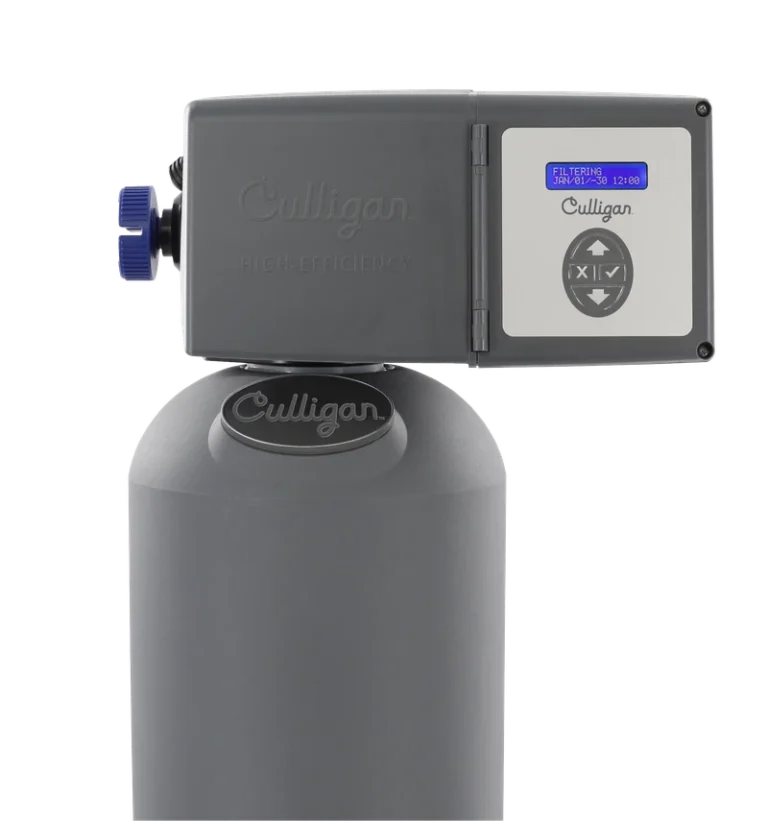
Deals
Don’t Miss Out On Special Offers For Dover, Delaware Residential Water Treatment Products
When financing your new equipment you can pay no interest if you pay off your balance in 12 months!
- $9.95/mo. to rent
- $33/mo. to buy
- Never run out of water
- No need to store empty bottles of water
- Never miss a delivery
- One predictable monthly bill
- No more heavy lifting
- No unwanted traffic in-and-out of your business
Are There Contaminants In Dover, DE Tap Water?
Get a FREE Water Test!
- No mailing — fast results!
- Test any tap in your home
- NEW flexible sample pickup options

FAQ
Additional Information On Dover, DE Tap Water
Is Dover tap water safe to drink?
Yes. Dover’s drinking water meets federal and state drinking water standards. Monitoring covers regulated contaminants, and results are reviewed to confirm compliance.
Is Dover tap water hard?
Dover reports hardness under Delaware’s secondary standards. The table lists hardness (as CaCO₃) with a range of about 23.0–126.6 ppm. If you’re seeing scale buildup, spotty dishes, or reduced soap lather, a softener can help.
Is there PFAS in Dover tap water?
PFAS monitoring and reporting depends on the utility’s testing schedule and published updates. The most current PFAS details are typically listed in water-quality materials or supplemental monitoring notices.
Does Dover tap water have fluoride?
Yes. Dover reports fluoride with a range of about 0.35–1.09 ppm, which is below the EPA maximum contaminant level of 4.0 ppm.
Where does Dover get its tap water?
Dover’s water supply system uses groundwater wells drawing from multiple aquifers, including the confined Cheswold aquifer, confined Piney Point aquifer, and the unconfined Columbia aquifer. Confined wells are described as having lower vulnerability to contamination than unconfined wells.
How is Dover water treated?
Dover uses disinfection and monitoring to maintain water quality through distribution. Treatment focuses on keeping microbial contaminants controlled while meeting regulatory requirements for finished drinking water.
Does Dover tap water contain chlorine?
Yes. Chlorine is used to control microbes. Dover reports chlorine in the distribution system with a range of about 0.44–0.90 ppm, and a listed highest level of 0.90 ppm, within allowable limits.
Are there disinfection byproducts (TTHMs / HAA5) in Dover water?
Yes. Dover reports disinfection byproducts within regulatory limits:
- Total Trihalomethanes (TTHMs): range ~10.2–43.0 ppb, highest listed 35.6 ppb
- Haloacetic Acids (HAA5): range ~0–12.9 ppb, highest listed 11.9 ppb
Is there lead in Dover tap water?
Lead typically comes from household plumbing materials, not the source water. Dover’s Lead & Copper Rule results show 0 sites above the action level, with a 90th percentile lead result of 2.0 ppb.
What about copper levels in Dover?
Dover reports 0 sites above the action level for copper, with a 90th percentile copper result of 0.110 ppm.
Does Dover water have nitrate?
Yes. Dover reports nitrate with a listed highest level of 3.50 ppm, below the EPA maximum contaminant level of 10 ppm.
What are some other regulated contaminants reported for Dover?
Dover reports regulated contaminants within standards, including:
- Arsenic: highest listed 3.53 ppb (MCL 10 ppb)
- Barium: highest listed 0.07 ppm (MCL 2 ppm)
- Nickel: highest listed 15.0 ppb (MCL 100 ppb)
- Selenium: highest listed 1.04 ppb (MCL 50 ppb)
Are radionuclides monitored in Dover water?
Yes. Dover reports radionuclide monitoring within standards, including:
- Alpha emitters: highest listed 1.75 pCi/L (MCL 15 pCi/L)
- Combined radium: highest listed 1.35 pCi/L (MCL 5 pCi/L)
What are Dover’s secondary water characteristics (pH, TDS, sodium, etc.)?
Dover reports several secondary/esthetic water characteristics, including:
- pH: average ~7.8 (range ~6.8–8.2)
- Total Dissolved Solids (TDS): average ~275.1 ppm (range ~174–406)
- Sodium: average ~65.0 ppm (range ~12.0–162.5)
- Chloride: average ~10.3 ppm (range ~4.7–43.4)
- Sulfate: average ~11.7 ppm (range ~1.2–47.6)
- Alkalinity: average ~202.3 ppm (range ~69.4–332.9)
- Manganese: average ~31.4 ppb (secondary guideline listed at 50 ppb)
Does Dover report any UCMR (unregulated) monitoring results?
Yes. Dover reports an unregulated monitoring result for lithium with an average of 23.6 ppb (range 0–37.2 ppb) in the UCMR table shown.
Do I need a water softener or filter in Dover?
Many homeowners choose added treatment for scale control, appliance protection, and improved taste:
- A water softener helps reduce mineral-related scale.
- A drinking water filter (including reverse osmosis) can improve taste and reduce a wider range of trace compounds at the tap.
How does Dover monitor water quality?
Dover follows required sampling and reporting requirements, with ongoing testing used to confirm the water remains compliant as it’s treated and distributed.
Where Can I Get A Local Tap Water Quality Report?
You can access the most recent Dover Tap Water Quality Report here.
Testimonials
Why Do Dover, Delaware
Homeowners LOVE Us?
We were tired of dealing with scale and residue on faucets and glassware. After installing a softener, everything rinses cleaner and we’re not constantly wiping buildup. Great experience in the Dover area.

We added reverse osmosis for drinking water and it’s been a noticeable upgrade. Water tastes better, ice is clearer, and we’ve cut way back on bottled water. Installation was smooth and the team explained everything clearly.
We wanted better overall water quality and protection for appliances. The system has helped with spotting and day-to-day water feel, and the whole process was easy from consult to install.

Facebook