

Does Your Tap Water Have A Chlorine Smell?
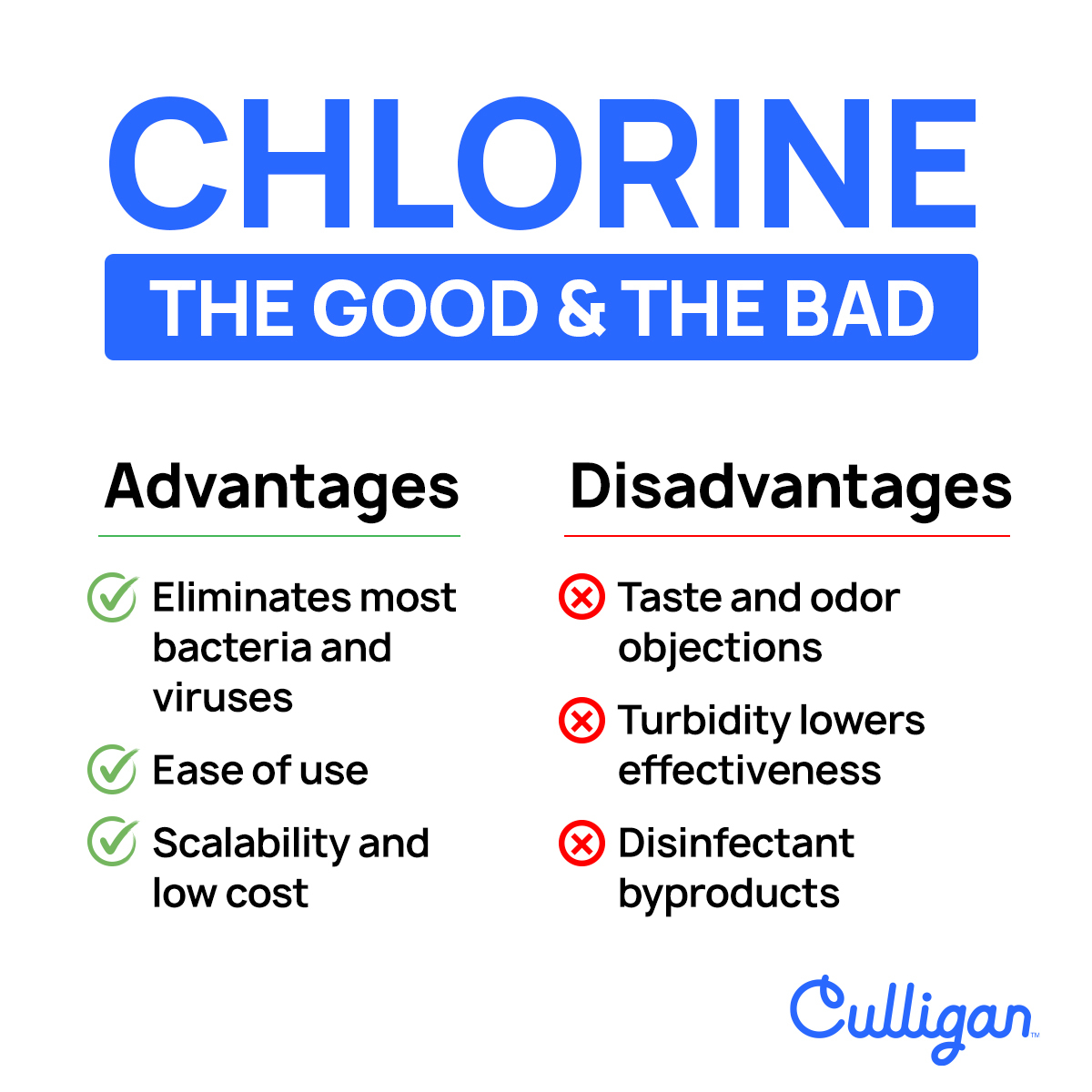
As a halogen, chlorine is highly efficient at removing bacteria and other microorganisms from drinking water. It plays a key role in keeping municipal water safe across Delmarva, including Salisbury and surrounding communities served by groundwater systems.
Though chlorine in large doses can cause health concerns, the amount used in treated drinking water is carefully regulated and is not typically harmful.
In addition, chlorine provides something other disinfecting methods do not. It leaves behind a residual that continues protecting water as it travels through pipes, storage tanks, and distribution systems across the region.
Because water in Delmarva often travels from treatment facilities through miles of infrastructure, this residual protection helps prevent bacteria growth, slime, and biofilm from forming inside pipes.
Current research shows that small amounts of chlorine in drinking water are not linked to immediate health risks. However, some homeowners are more sensitive to chlorine taste and odor, and there is ongoing discussion around long-term exposure to disinfection byproducts like trihalomethanes (TTHMs).
This has led some municipalities across the country to explore alternatives like ozone. However, chlorine remains widely used because it is effective, reliable, and cost-efficient for maintaining safe drinking water.
Does Your Water Smell Like Chlorine?
In Delmarva communities like Salisbury, chlorine levels can fluctuate slightly depending on seasonal conditions and water treatment needs.
For example, warmer weather can increase the growth of algae or bacteria near water sources, which may require utilities to adjust disinfectant levels. This can lead to a stronger chlorine smell or taste at certain times of the year.
You may also notice chlorine more after:
- Heavy rainfall or environmental changes
- System maintenance or flushing
- Temporary increases in disinfectant dosing
Even though these changes are part of maintaining safe drinking water, they can impact taste and odor at the tap.
Chlorines vs. Chloramines: What’s The Difference?
Chloramine is a disinfectant made by combining chlorine with ammonia. Some water systems use chloramine instead of free chlorine because it lasts longer in distribution systems and produces fewer noticeable odors.
While Salisbury primarily relies on chlorine for disinfection, chloramine is used in other parts of the country and may be introduced in certain systems over time.
Both chlorine and chloramine are considered safe at regulated levels. However, some individuals may be more sensitive to these disinfectants, including:
- People with respiratory sensitivities
- Individuals undergoing dialysis
- Aquarium owners, since chloramine can affect fish
Understanding which disinfectant your local water system uses can help determine the best filtration approach for your home.
How To Remove Chloramine From Your Tap Water
If you notice a chlorine taste or smell in your water, you are not alone. Many homeowners across Salisbury and the Delmarva region look for ways to improve their drinking water.
There are several filtration options designed to reduce chlorine and related compounds:
- Activated carbon filters help reduce chlorine taste and odor
- Reverse osmosis systems target chlorine, disinfection byproducts, and other dissolved contaminants
- Whole-house filtration systems treat water at the point it enters your home
Reverse osmosis systems are a strong starting point for drinking water, as they can reduce a wide range of contaminants commonly found in municipal supplies.
Solutions
Suggested Products
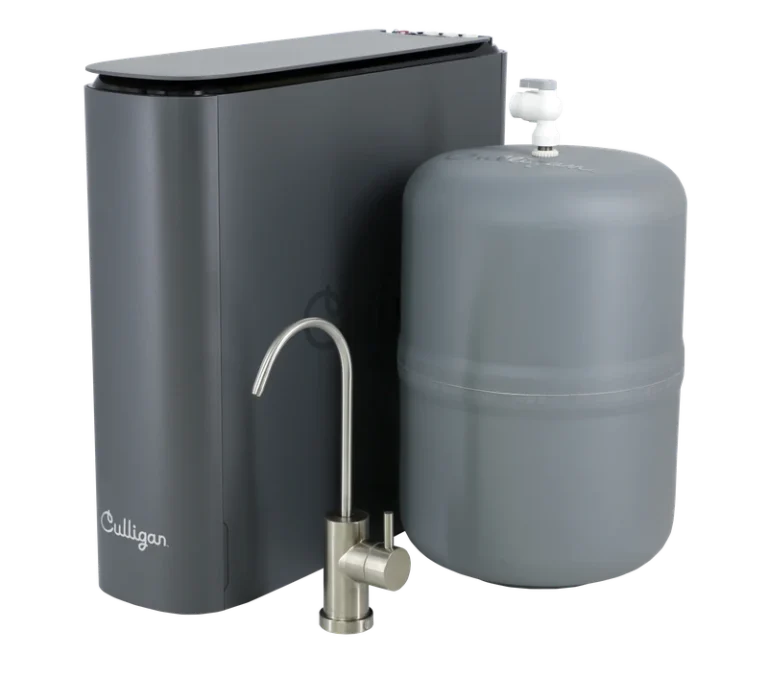
The Aquasential® Smart Reverse Osmosis Water Filter (RO)
- 7 stages of filtration and 12 filter options
- Certified for reduction of 58 contaminants
- 2-in-1 sediment and carbon filter screens out sediment and particles
- Can alert you and your dealer when service or filter replacements are needed
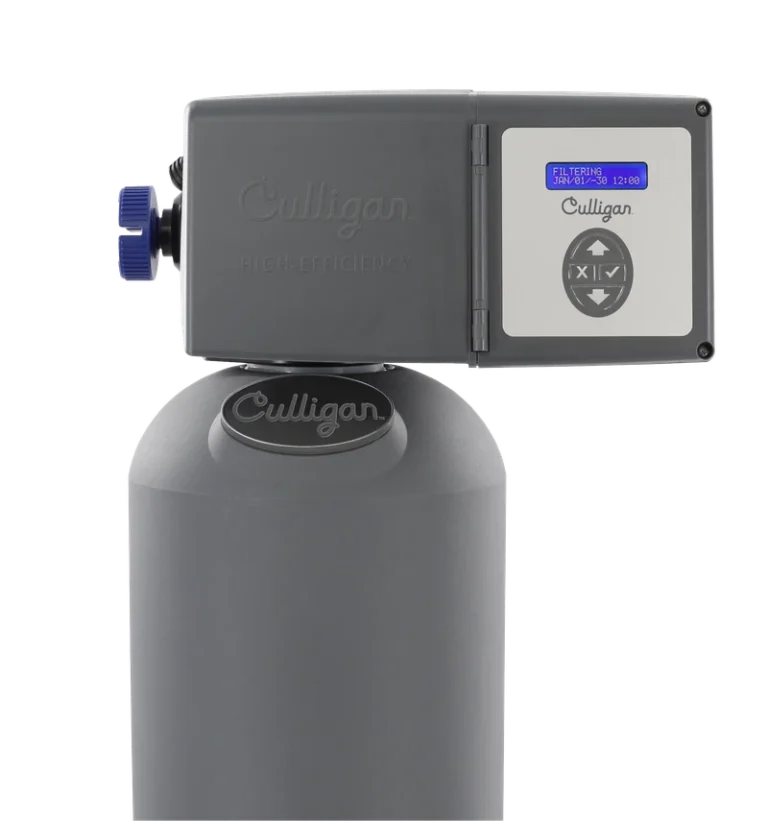
Aquasential™ Smart High Efficiency Whole House Water Filters
Reduce sediments in your water and contaminants that cause your water to appear, taste, and smell unpleasant. Your system can also lessen the taste and odor of chlorine, and prevent pipe damage and staining from low pH water. Additional customizations include:
- Culligan® Filtr-Cleer® Water Filters – Reduces Sediment Problems
- Culligan® Cullar® Water Filters – Reduces Taste and Odor Problems
- Culligan® Cullneu Water Filters – Reduces Acid Problems
Why Is Chloramine Added To Water?
Water utilities across Delmarva add chlorine to ensure drinking water remains safe from the treatment plant to your tap.
Without a disinfectant residual, water traveling through pipes could become vulnerable to contamination. Chlorine helps prevent bacteria regrowth throughout the entire distribution system.
In groundwater-based systems like Salisbury’s, treatment processes include disinfection along with filtration and other steps to maintain water quality before it reaches homes.
While chlorine is effective, it can also react with naturally occurring organic matter in water to form disinfection byproducts such as:
- Trihalomethanes (TTHMs)
- Haloacetic acids (HAA5)
These byproducts are monitored and regulated, but many homeowners still choose to reduce them for improved water quality and taste.
How Culligan Helps Improve Water In Salisbury
Even though Salisbury’s water meets safety standards, many homeowners still want better taste, reduced chlorine levels, and added peace of mind.
Sharp Water Culligan offers customized solutions based on your home’s specific water conditions, including:
- Reverse osmosis systems for cleaner drinking water
- Whole-home filtration to reduce chlorine and disinfection byproducts
- Free in-home water testing to identify what is in your water
A water test helps determine exactly what is present in your home’s water supply and which solution will provide the best results.

Facebook