


Lead In Your Drinking Water
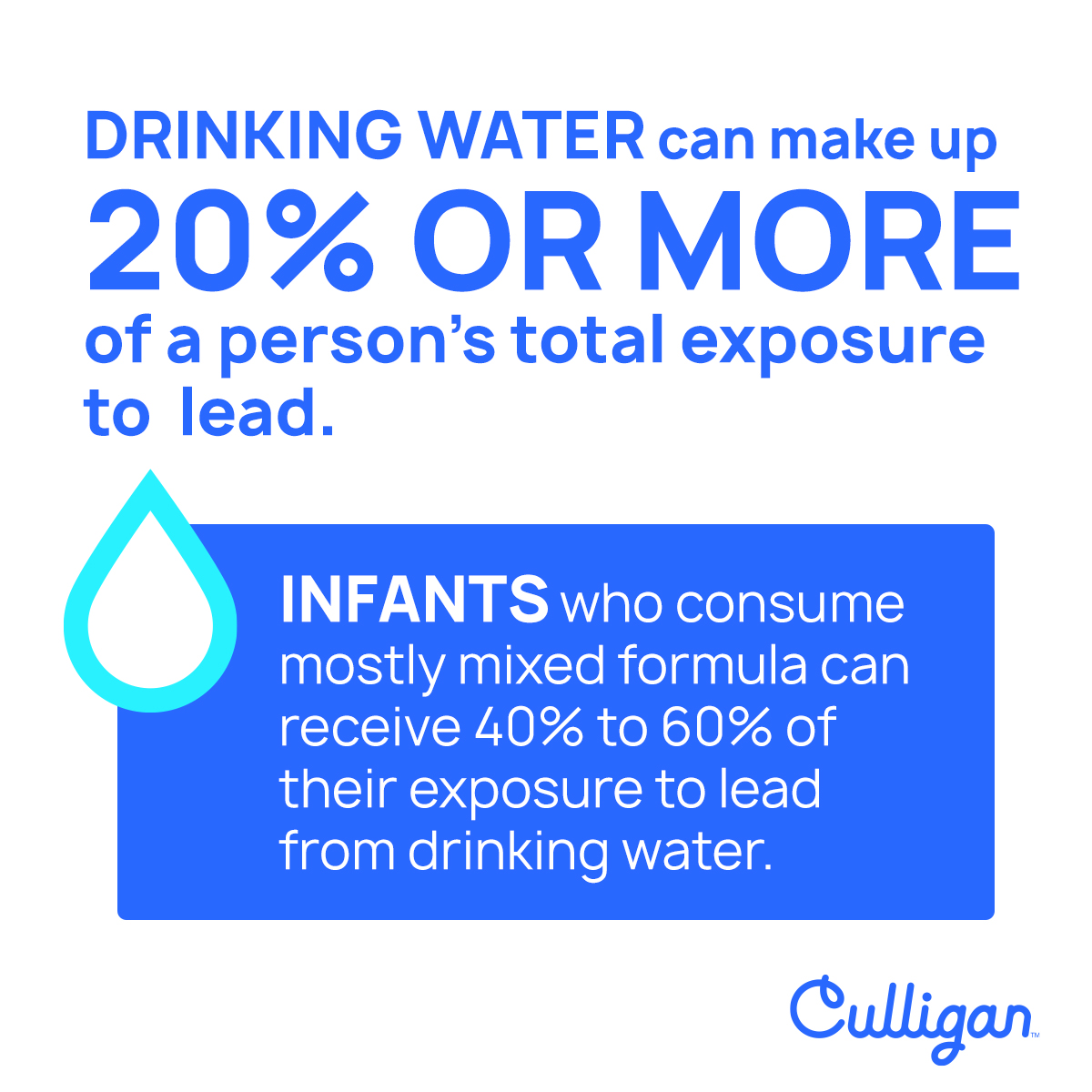
In the U.S., 14-20% of lead exposure is attributed to drinking water. Municipalities have taken action over the past 30 years to ban lead solder, reduce corrosivity and remove lead from brass faucets and water meters, and these measures have significantly helped exposure issues.
In Salisbury and across the Delmarva region, water testing shows no detectable lead levels in the municipal supply (0 ppm at the 90th percentile). This indicates that the water leaving the treatment facility meets all regulatory standards. However, lead exposure is not always tied to the water source itself.
Lead can still enter drinking water after it leaves the treatment plant, depending on the plumbing inside a home.
Studies show that even very small amounts of lead exposure can impact neurological development, especially in children. Because of this, even low or non-detect levels in municipal testing do not completely eliminate risk at the tap.
How Lead Enters Drinking Water Systems
The most common way lead enters drinking water is through corrosion of plumbing materials, not the water supply itself.
In Delmarva homes, especially older properties, this can include:
- Lead service lines
- Lead-based solder used in plumbing connections
- Brass fixtures that contain trace amounts of lead
Homes built before modern plumbing standards may have a higher risk, particularly if pipes have aged or corroded over time.
Even if the water entering your home is compliant, it can still pick up lead as it travels through your plumbing system.
When water sits in pipes for extended periods, such as overnight or during the workday, the potential for lead exposure can increase.
What Do Local Water Reports Say About Lead?
Water quality testing in Salisbury shows:
- Lead levels: 0 ppm (non-detect at the 90th percentile)
- Action level: 15 ppb
- Status: Within regulatory limits
This means the municipal system is performing as expected and meeting all federal and state guidelines.
However, these results reflect system-wide testing and do not account for individual household plumbing conditions.
Because lead risk is highly dependent on pipe materials, fixtures, and water usage patterns, two homes on the same street can have very different results at the tap.
Proactive Prevention: The Best Deterrent
The best way to reduce the risk of lead exposure is to understand your home’s specific water conditions.
Simple steps can help lower potential exposure:
- Running water for a short period before use if it has been sitting in pipes
- Using cold water for drinking and cooking
- Replacing outdated plumbing components when possible
However, the most effective way to know what is happening in your water is through testing.
A water test can determine whether lead is present at your tap, even if municipal testing shows non-detect levels.
Why Is Lead in Water Dangerous?
In addition to its once widespread use, and continued use in some plumbing fittings and solder, lead is virtually undetectable in water. Since you can’t see, taste, or smell it, prolonged exposure can be common. Lead in drinking water is especially harmful for young children and pregnant women, but is not safe for anyone to consume, in any concentration.
For children, the effects of consuming lead-contaminated water are especially high. Once consumed, lead remains in our bodies or ‘bioaccumulates’, as we can’t flush the contaminant from our system. Once there, lead can cause serious behavioral and cognitive problems for children, and over time it can lead to:
- Low IQ
- Hyperactivity
- Slowed, delayed, and stunted growth
- Problems hearing
- Anemia
- Seizures, coma, and possibly even death in severe situations
Lead also crosses the placenta, so it’s especially important for pregnant women to avoid drinking water contaminated with lead. In addition to harming the mother, it can cause stunted fetal growth and premature birth.
For the average adult, lead exposure from water can cause heart and cardiovascular issues, reduce kidney function, and contribute to reproductive problems.
The degree and severity of these issues depends on how much lead you’ve been exposed to, and how much is stored in your body, though governing health authorities like the Centers for Disease Control (CDC) caution that no amount of lead is safe.
Solutions
Suggested Products
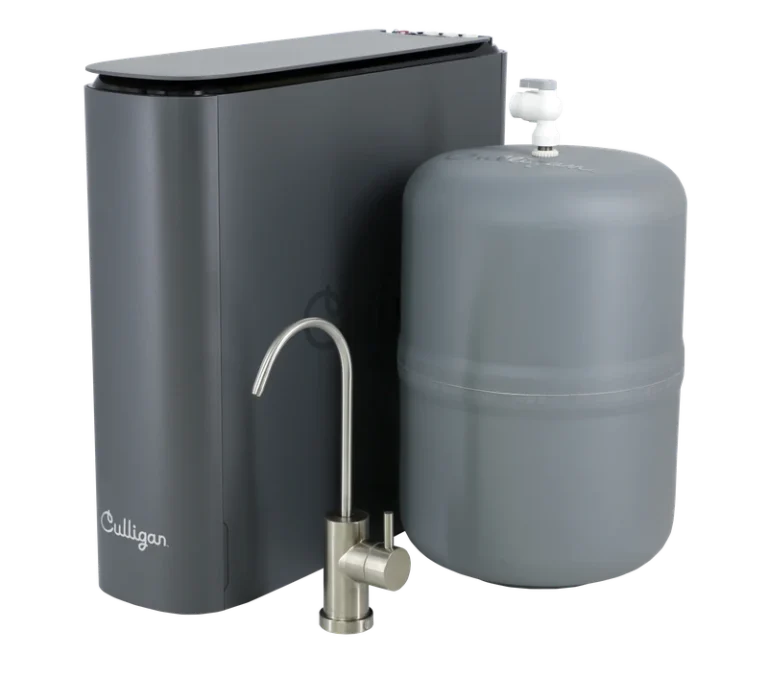
The Aquasential® Smart Reverse Osmosis Water Filter (RO)
- 7 stages of filtration and 12 filter options
- Certified for reduction of 58 contaminants
- 2-in-1 sediment and carbon filter screens out sediment and particles
- Can alert you and your dealer when service or filter replacements are needed
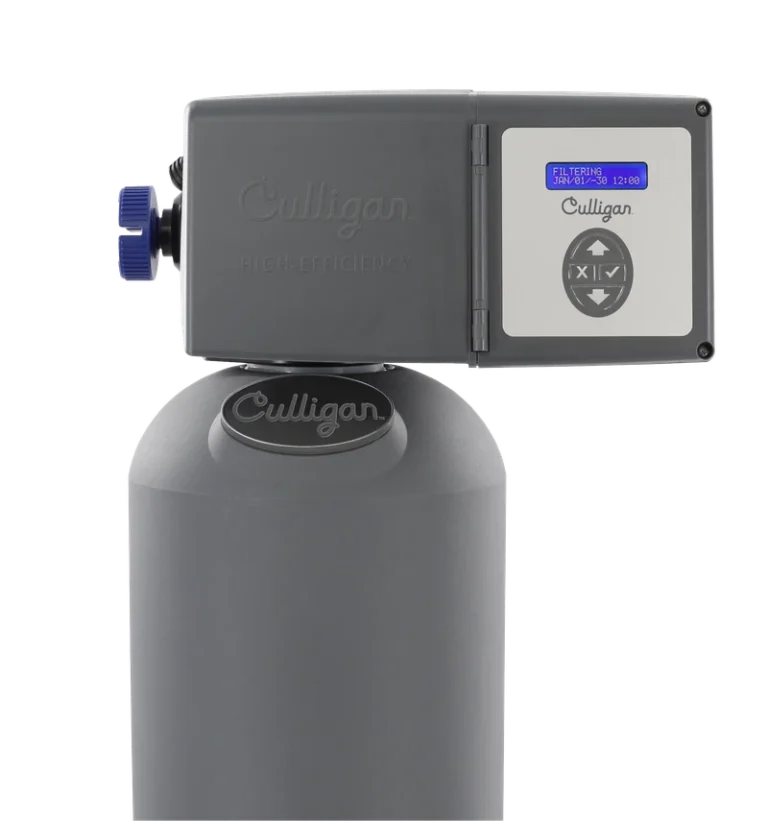
Aquasential™ Smart High Efficiency Whole House Water Filters
Reduce sediments in your water and contaminants that cause your water to appear, taste, and smell unpleasant. Your system can also lessen the taste and odor of chlorine, and prevent pipe damage and staining from low pH water. Additional customizations include:
- Culligan® Filtr-Cleer® Water Filters – Reduces Sediment Problems
- Culligan® Cullar® Water Filters – Reduces Taste and Odor Problems
- Culligan® Cullneu Water Filters – Reduces Acid Problems
How Culligan Helps Improve Water In Delmarva
Even though Salisbury’s water system reports no detectable lead at the municipal level, many homeowners still want added protection at the tap.
Culligan of the Delmarva Peninsula provides solutions designed to address water quality concerns inside the home, where municipal treatment cannot reach.
Sharp Water Culligan offers:
- Reverse osmosis systems that reduce lead and other dissolved contaminants at the point of use
- Whole-home filtration options that improve overall water quality
- Free in-home water testing to evaluate your household plumbing impact
Because lead risk is often tied to your home’s pipes rather than the city’s water supply, testing your water is the most important first step. Sharp Water Culligan of Salisbury can help identify potential concerns and recommend a solution that gives you more confidence in your drinking water.
Start With a Water Test on Delmarva
Because lead exposure can vary from one home to another, testing is one of the most important first steps.
A professional water test can help determine:
- Whether lead is present at the tap
- How plumbing may be impacting water quality
- Which filtration solutions are best suited for your home
Lead Pollution in America: Synopsis of Flint Crisis
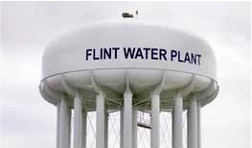
The Flint Water Crisis began in 2014 when a change in water source and improper treatment caused lead to leach from aging pipes into the drinking water supply.
While the immediate crisis has since been addressed and water quality has improved significantly, the situation remains one of the most well-known examples of how changes in water chemistry and infrastructure can impact drinking water safety.
Today, Flint is often referenced as a case study in the importance of corrosion control, infrastructure maintenance, and ongoing water quality monitoring.
The final tally on the Flint Water Crisis, which included e.coli bacteria, THMs, lead, and a Legionnaire’s disease outbreak, resulted in 6,000 to 12,000 children exposed to lead and a slew of lawsuits, investigations, resignations and criminal indictments.

Facebook